Research
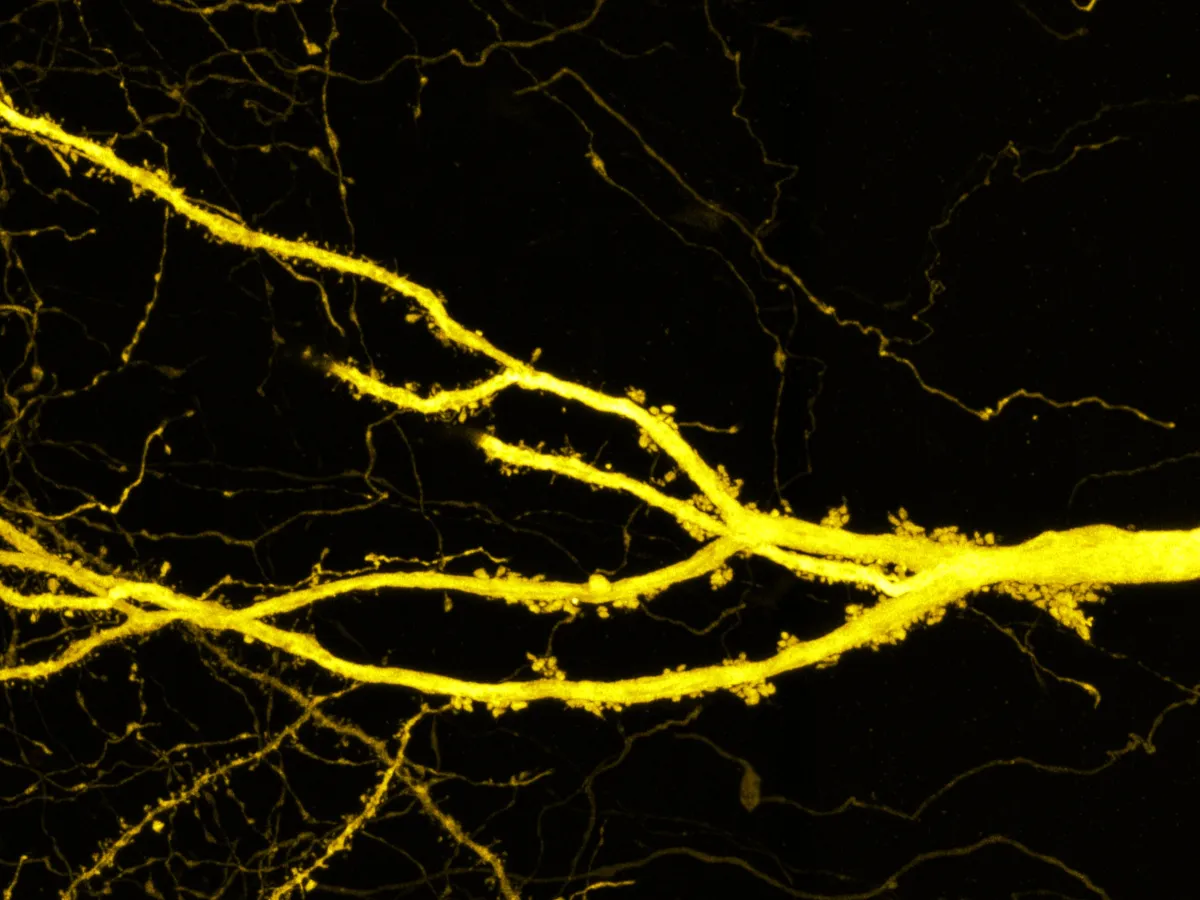
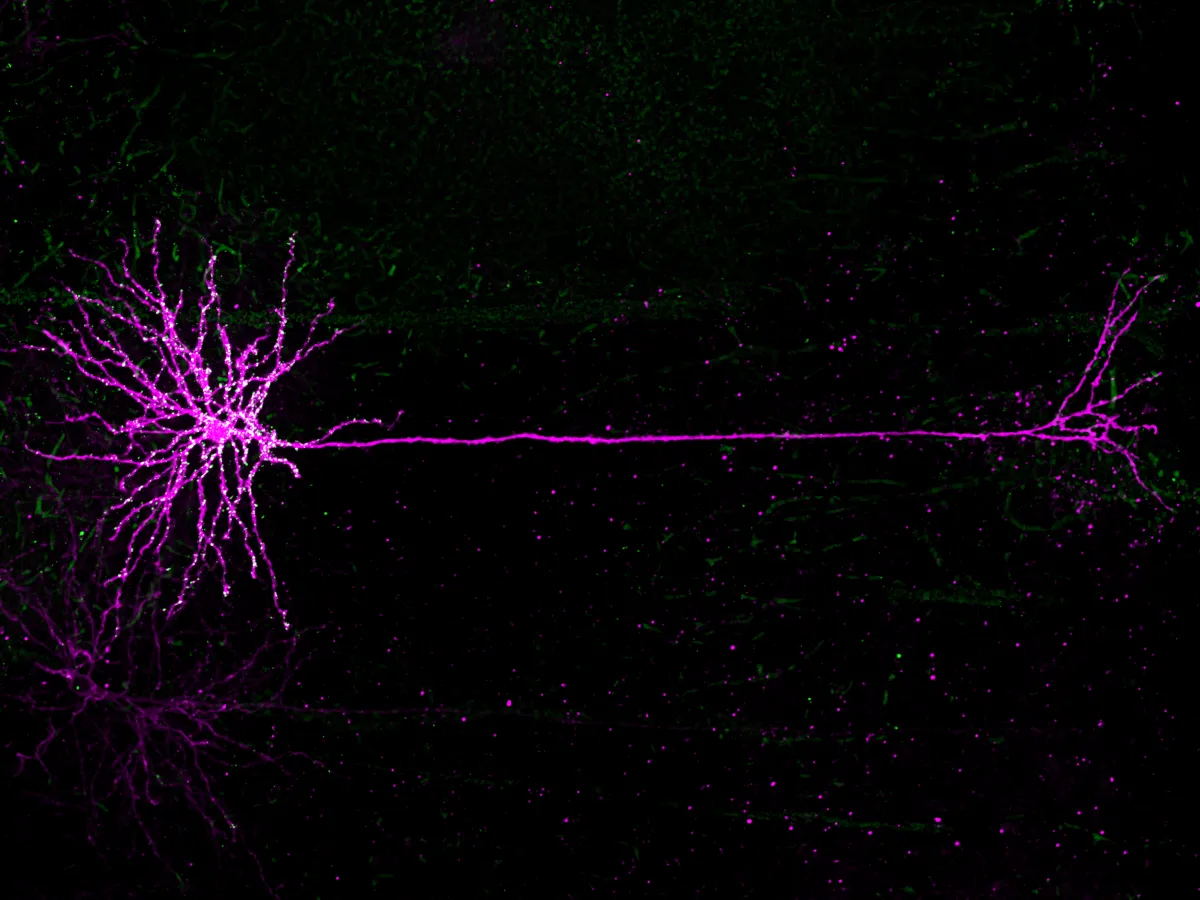
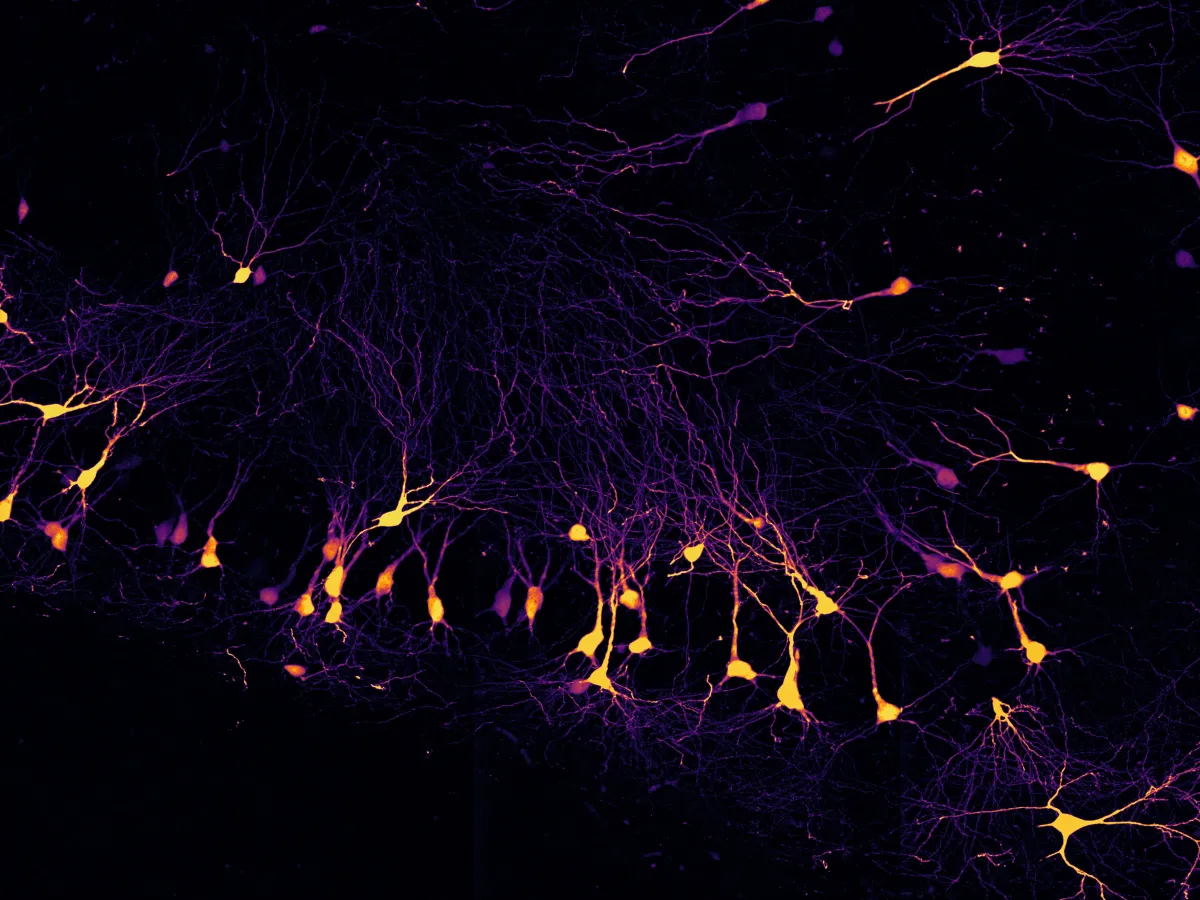
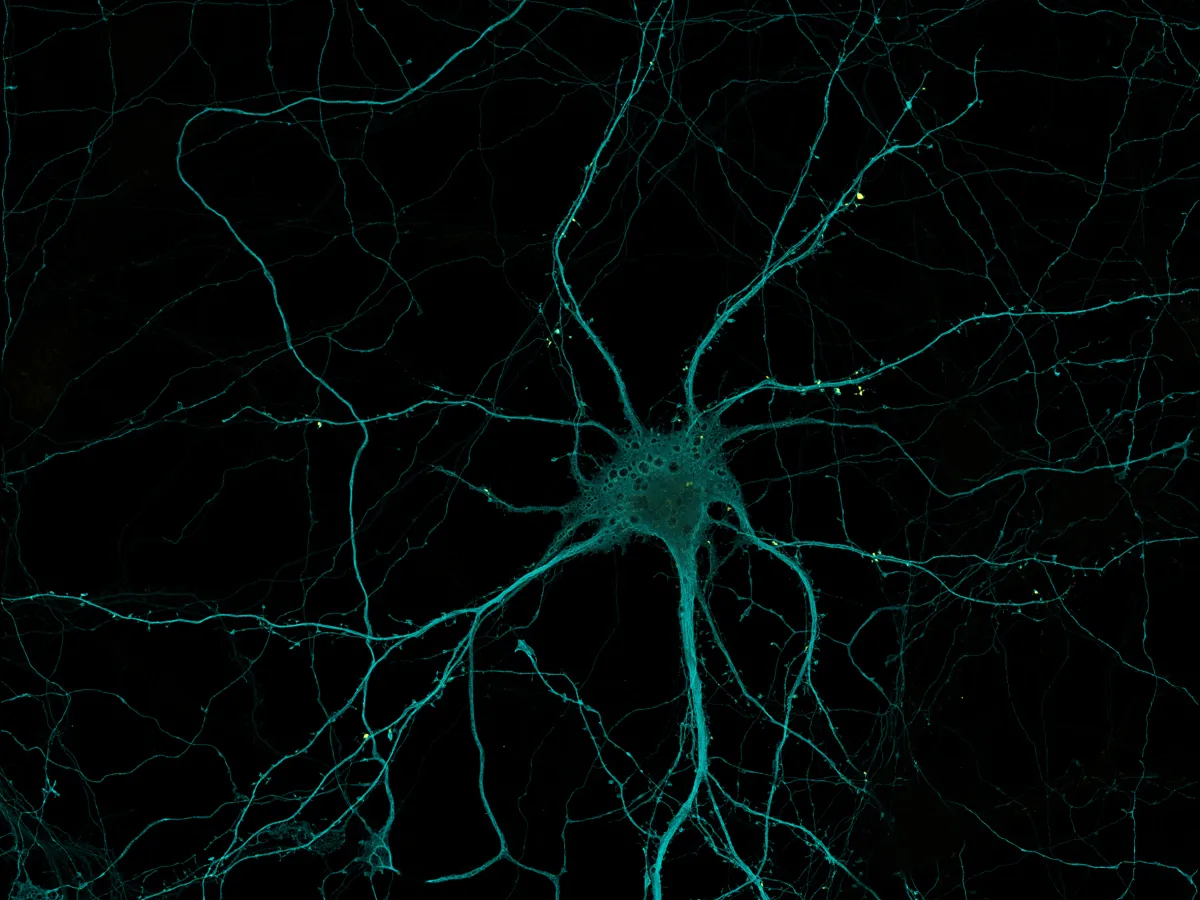
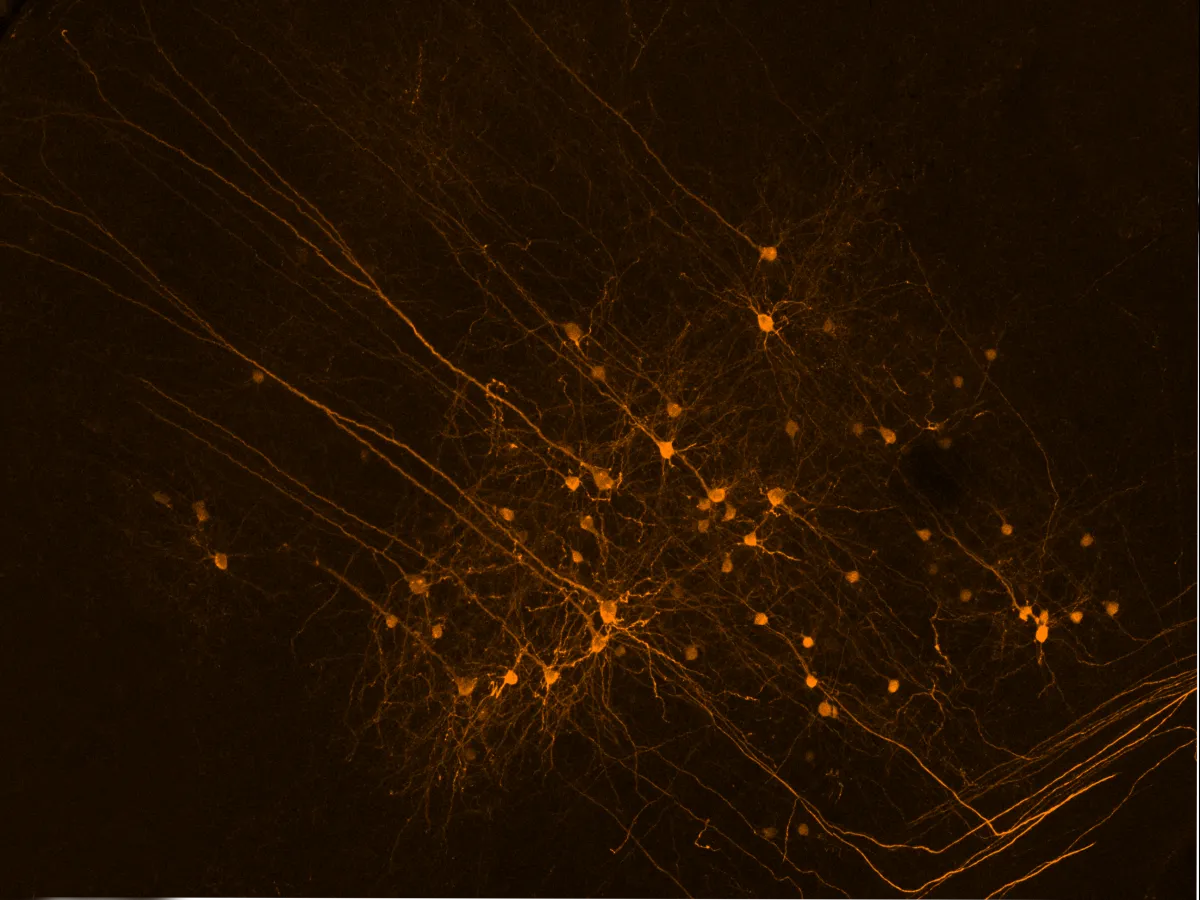
Our research aims to understand the molecular and cellular mechanisms that control the formation and maintenance of synaptic connectivity. A better understanding of these mechanisms will help us to identify potential therapeutic targets for brain disorders in which synaptic connectivity is affected, such as autism spectrum disorders or Alzheimer’s Disease.

Synaptic Connectivity
We aim to understand the molecular and cellular mechanisms that drive how synaptic connections are formed and maintained, with a specific focus on the role of cell-surface interactions.
Read More Below
Synapses in Disease
We use the insights and tools from our research to understand mechanisms underlying pathological changes in synaptic connectivity.
Read More Below
Brain Circuits in Autism
We study the brain circuit involved in sensory processing, in order to understand why people with autism spectrum disorder (ASD) experience differences in sensory perception.
Read More Below
Synaptic Connectivity
Synaptic Connectivity
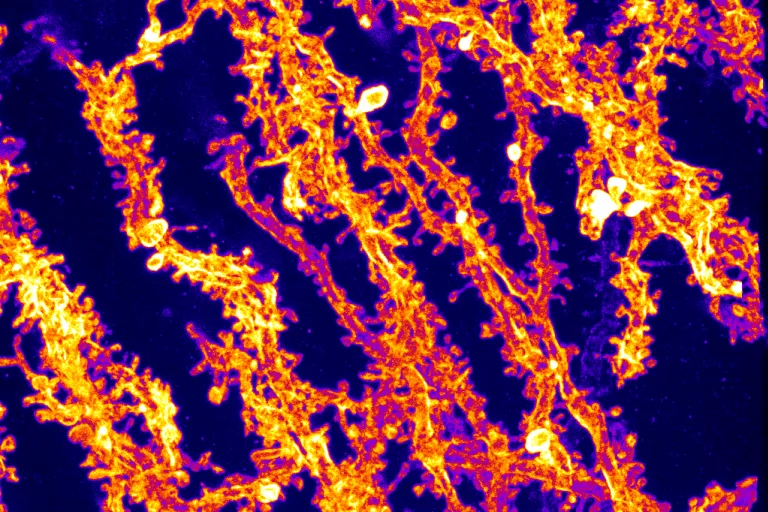
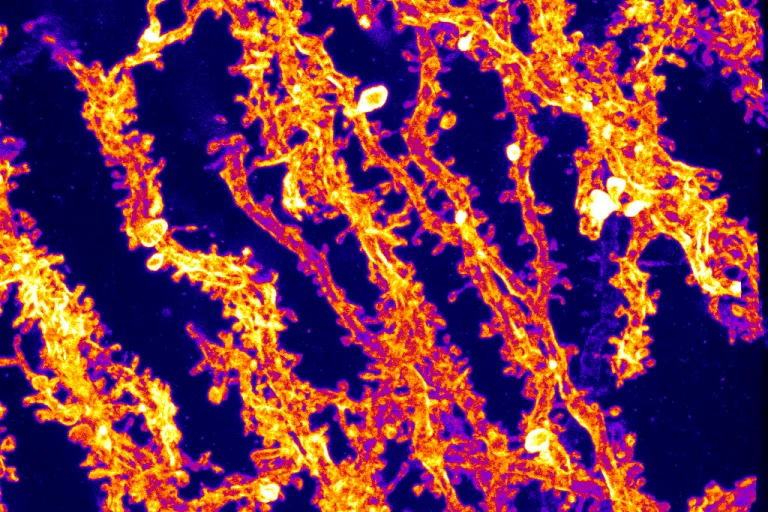
We aim to understand the molecular and cellular mechanisms that drive how synaptic connections are formed and maintained, with a specific focus on the role of cell-surface interactions.
Key Milestones:
We used proteomic approaches to uncover ligand-receptor interactions that regulate synaptic connectivity, revealing a prominent role for leucine-rich repeat (LRR)-containing receptors in synapse development (De Wit Neuron 2009, 2013; O’Sullivan, De Wit Neuron 2012; DeNardo Neuron 2012; Savas, De Wit Nature Protocols 2014).
We elucidated intracellular sorting mechanisms that control the distribution and composition of cell-surface receptors at synapses, important for the maintenance of synaptic function (Savas Neuron 2015; Ribeiro PLOS Biology 2019).
We demonstrated that in hippocampal pyramidal neurons, postsynaptic receptors act in input-specific combinations to shape the structural and functional properties of their synaptic inputs (Condomitti Neuron 2018; Schroeder Neuron 2018).
We developed a method to analyze the proteome and cell-surface interactome of a specific type of hippocampal synapse, the mossy fiber-CA3 synapse (Apóstolo Nature Communications 2020).
We are developing approaches to dissect synaptic protein composition of hippocampal and cortical pyramidal neuron types (Marcassa Nature Communications 2025).
Synapses in Disease
Synapses in Disease
We use the insights and tools from our research to understand mechanisms underlying pathology in synaptic connectivity.
Key Milestones:
We uncovered the role for the amyloid precursor protein APP — a key player in Alzheimer's disease — as a modulator of the GABABR1a receptor in synaptic transmission (Rice Science 2019; Rice Molecular Neurodegeneration 2020).
We identified early alterations in a neuromodulatory peptide system that link aberrant synaptic activity of hippocampal neurons and sleep disturbances in Alzheimer’s disease (Calafate Nature Neuroscience 2023).
We discovered a new molecular mechanism involving a hominid-specific LRR receptor that regulates excitability of human cortical neurons. This work is relevant for epilepsy (Libé-Philippot Cell 2023).
We explored the role of Tau at synapses, with implications in Alzheimer's Disease (Zhou Nature Communications 2017; McInnes Neuron 2018; Largo-Barrientos Neuron 2021).
The work on the synaptic role of APP has resulted in 4 patent applications and became part of the VIB spin-off company Augustine Therapeutics that focuses on new treatment strategies for peripheral neuropathy. The research on the hominid-specific LRRC37B receptor also resulted in a patent application.
Brain Circuits in Autism
Brain Circuits in Autism
In the latest research line of our lab, we will study the thalamocortical brain circuit involved in sensory processing, in order to understand why people with autism spectrum disorder (ASD) experience atypical sensory perception, such as hyper- and hypo-reactivity to sensory stimuli.
The thalamocortical circuit relays sensory information from the thalamus to the cortex. Brain imaging studies have shown altered functional thalamocortical connectivity in autistic people, which may contribute to their differential sensory perception.
The lab will study the impact of ASD-related genes, identified in a proteomics screen (Marcassa Nature Communications 2025), on the development of a specific thalamocortical circuit.
This research is supported by the Simons Foundation Autism Research Initiative (SFARI).
Synaptic connectivity